1. The Day They Came to the Factory
The two founding brothers came to the factory themselves.
Not a drawing, a quote and a delivery date — they came to choose fabric and walk the process line in person.
Choosing fabric, in their hands, was never about picking a colour. They'd spread the cloth out, feel its weight and body, study the weave, and ask where it came from, how many folds it could take, whether it would stiffen in winter. Then they walked every station: cutting, panel joining, stitching, binding, hardware, packing.
That kind of care isn't inspection-day care. It's "I'm going to be responsible for this cloth" care.
2. That McDonald's Lunch
That day, we didn't knock off at noon.
Not overtime — we simply never stopped. The brothers said: let's finish the job first. So we ordered McDonald's, ate it right there beside the workshop, talking while we ate, then got straight back to it until everything for the day was closed out.
Looking back, that burger and fries was probably the best-value lunch I've had in years.
Because the people around that table weren't a buyer and a supplier. They were a group of people trying to get the thing in front of them right.
3. They Chose Us
Honestly, being chosen by RAREFORM means a lot to us.
Not because of order size, but because they cared more than we did about the places where we used to think "close enough is fine." In choosing us, they handed over their standards along with the job.
We've learned a great deal over these years together. But the most important lesson is probably this:
A standard isn't something a customer hands you. It's something somebody is willing to hold the line on with you.
4. Sustainability, Made Visible
What moves me most about RAREFORM is how they think about materials.
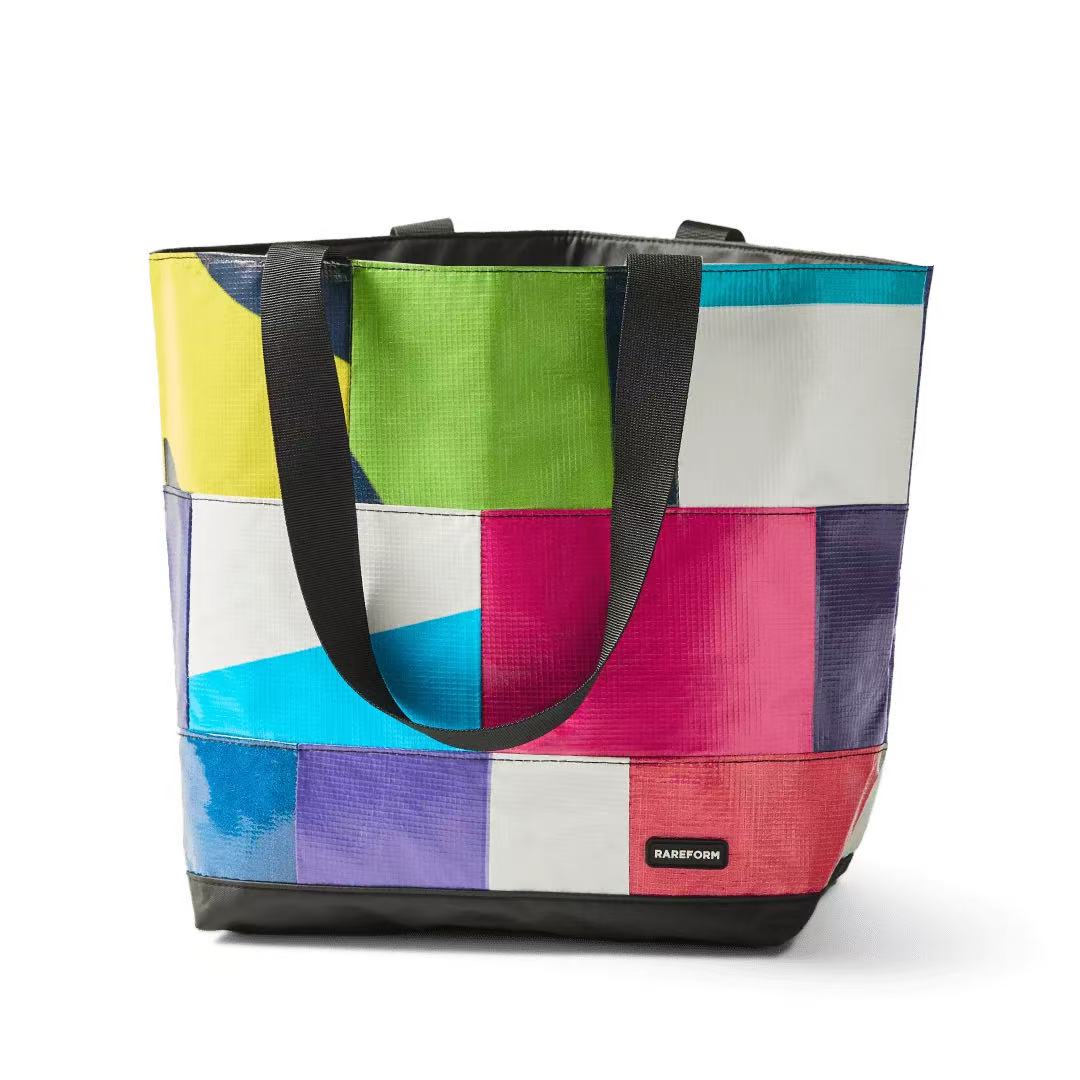
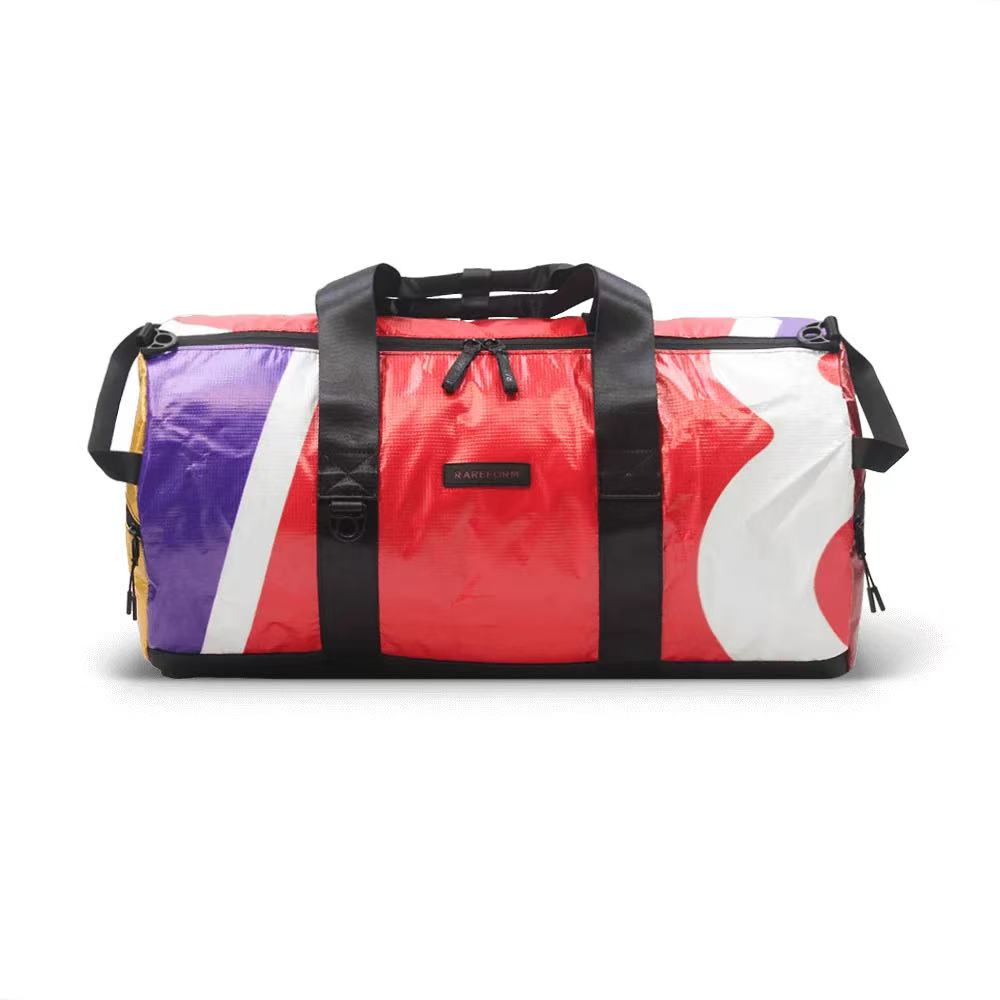
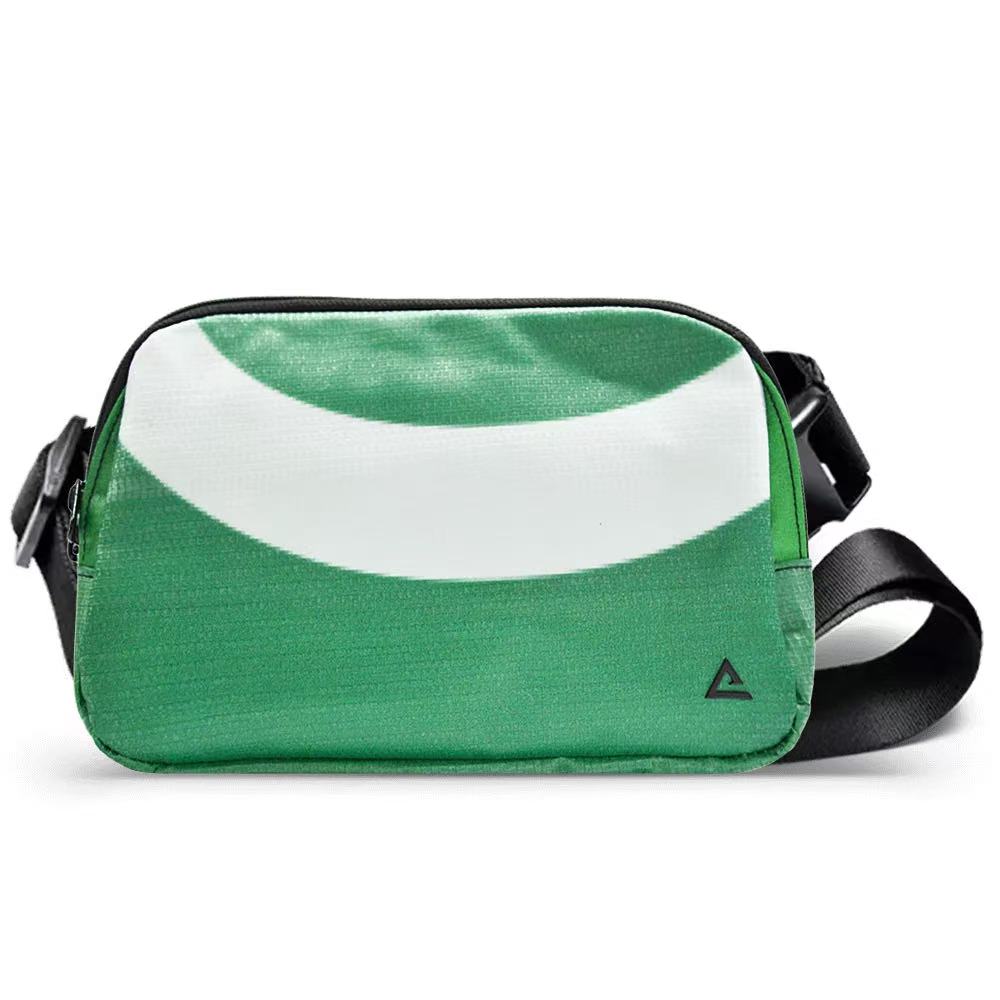
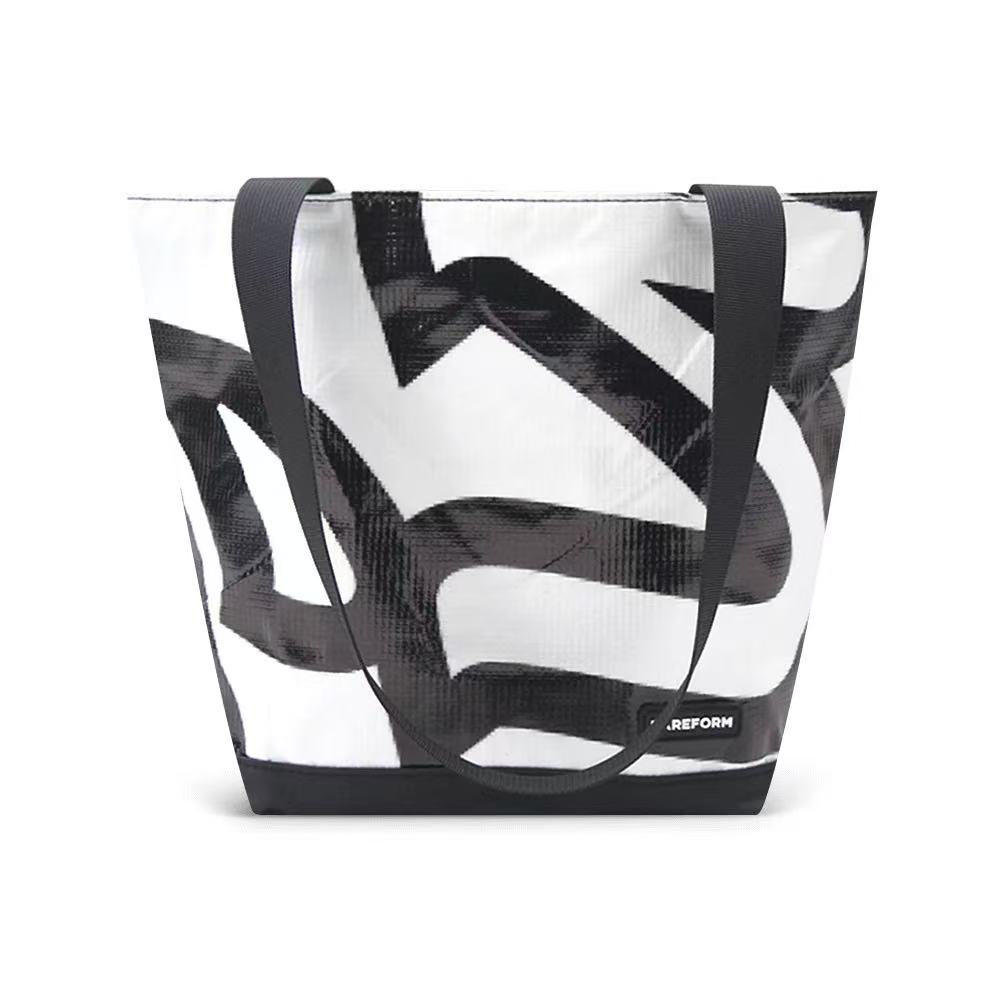
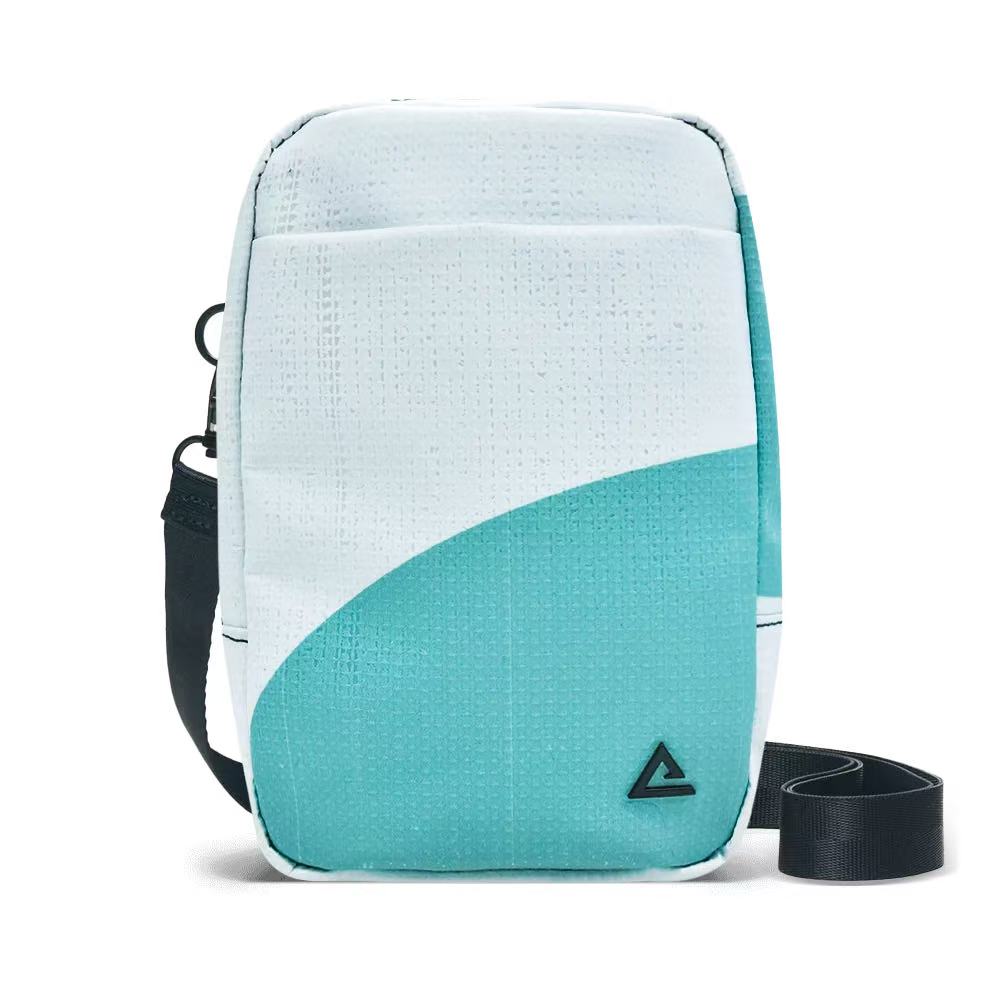
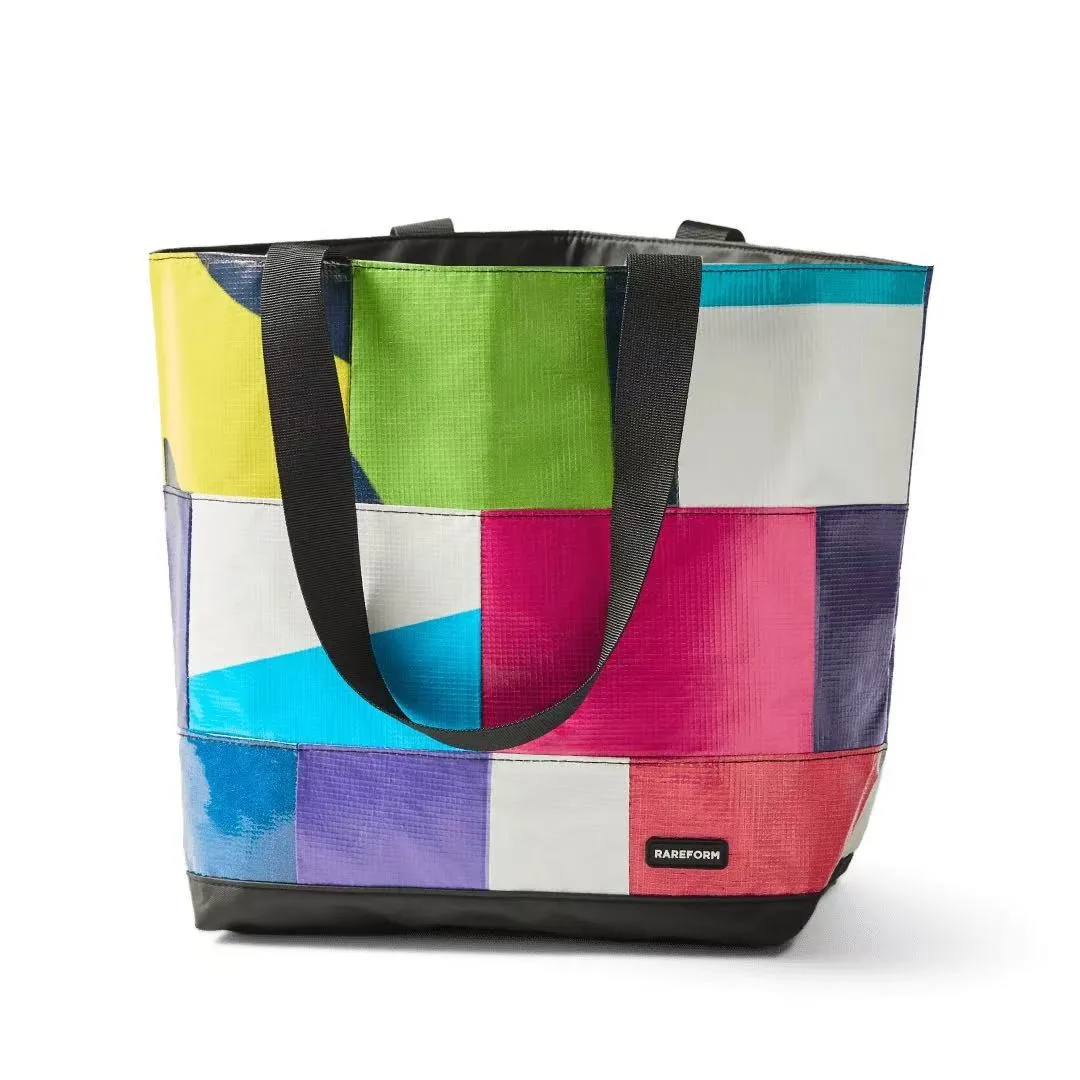
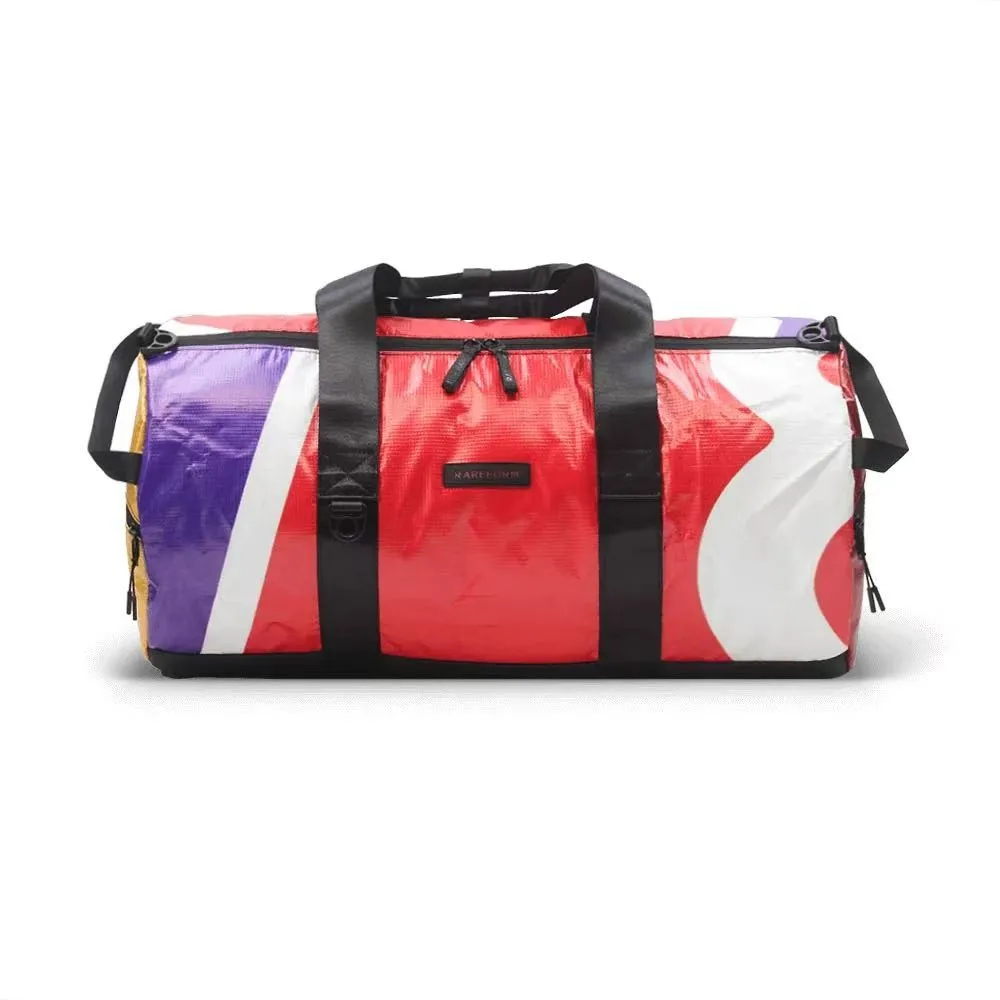
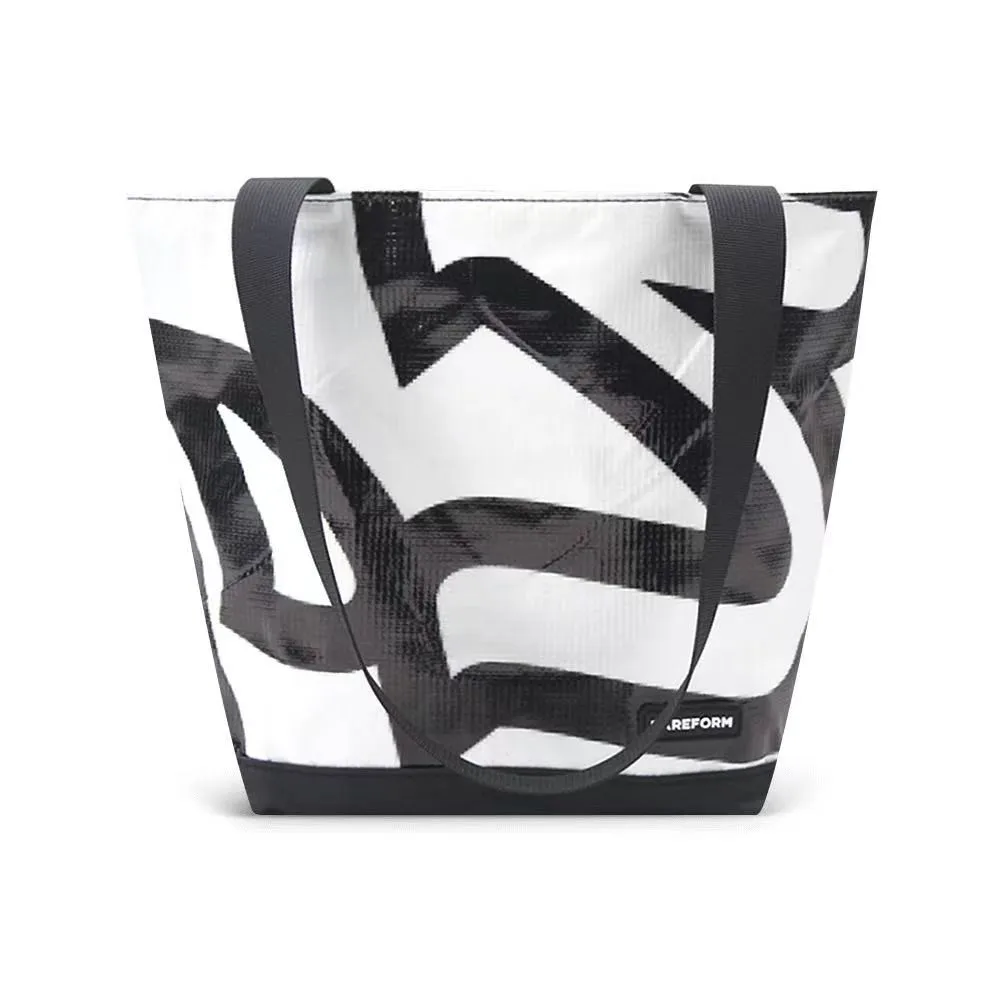
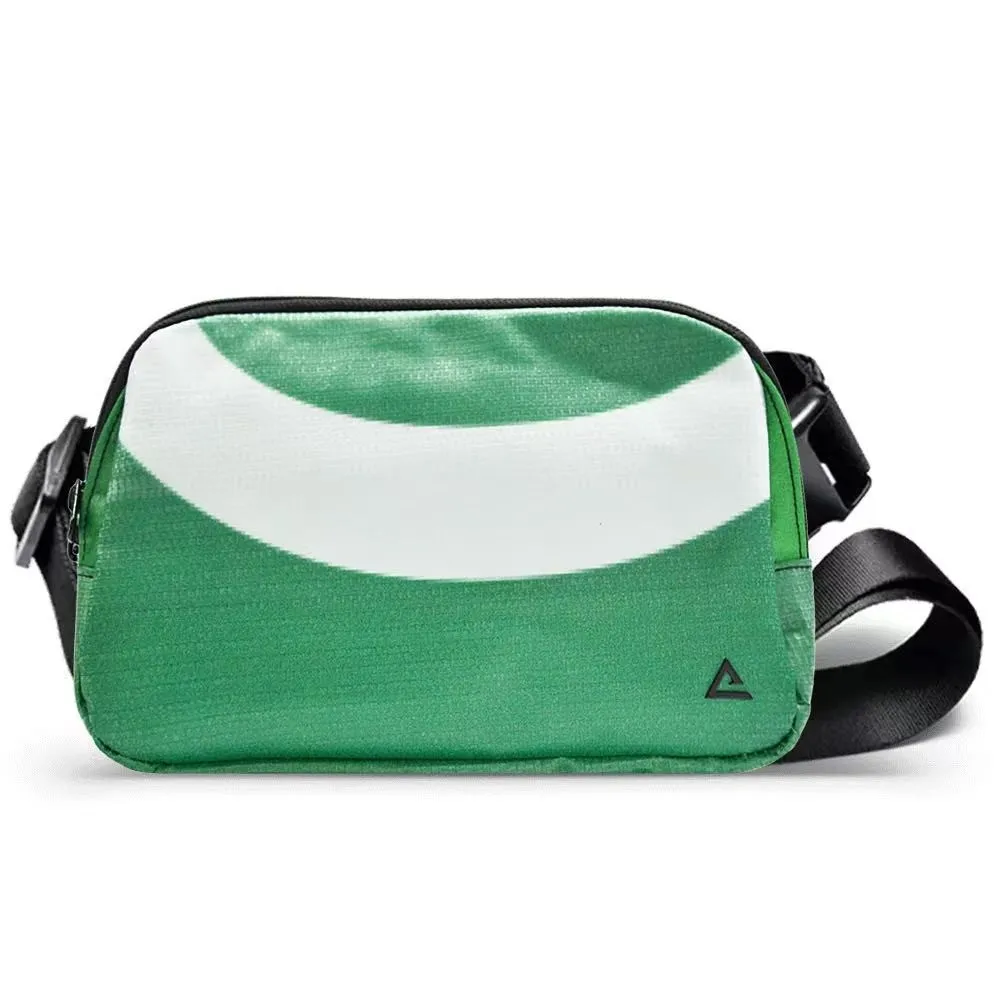
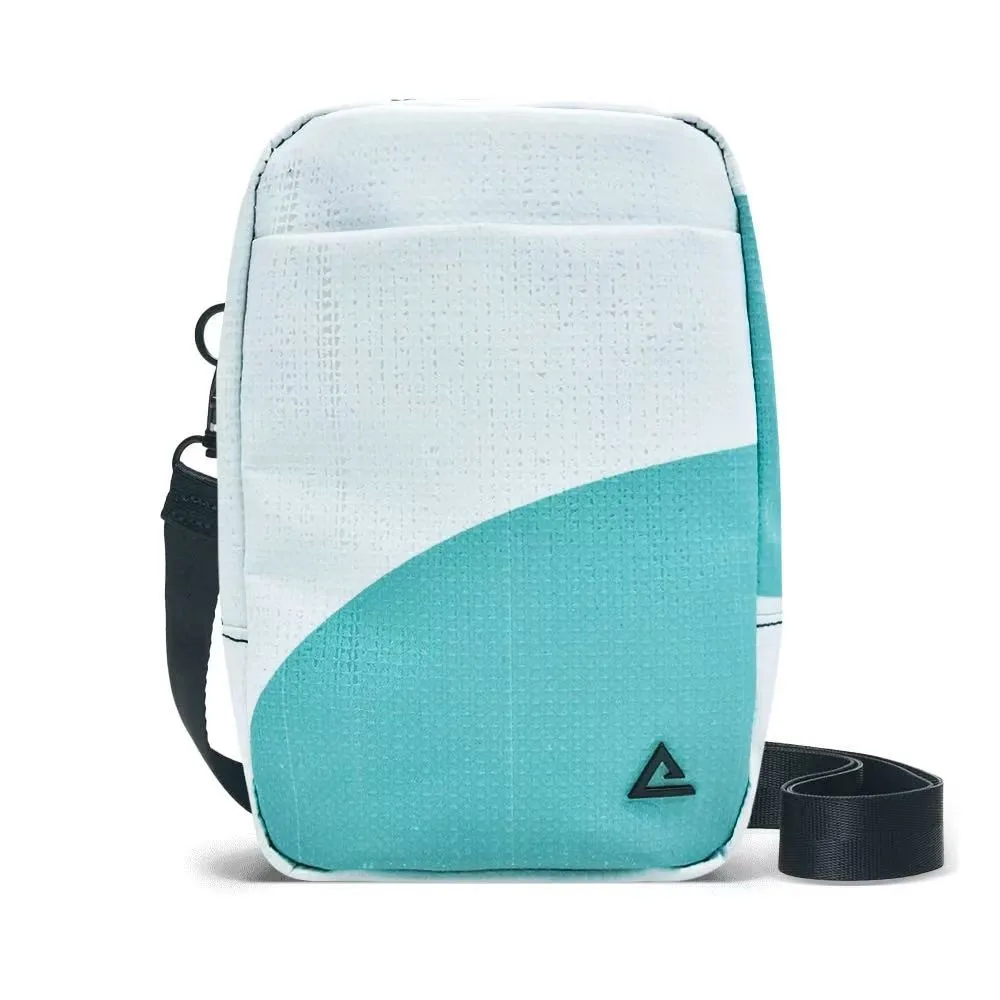
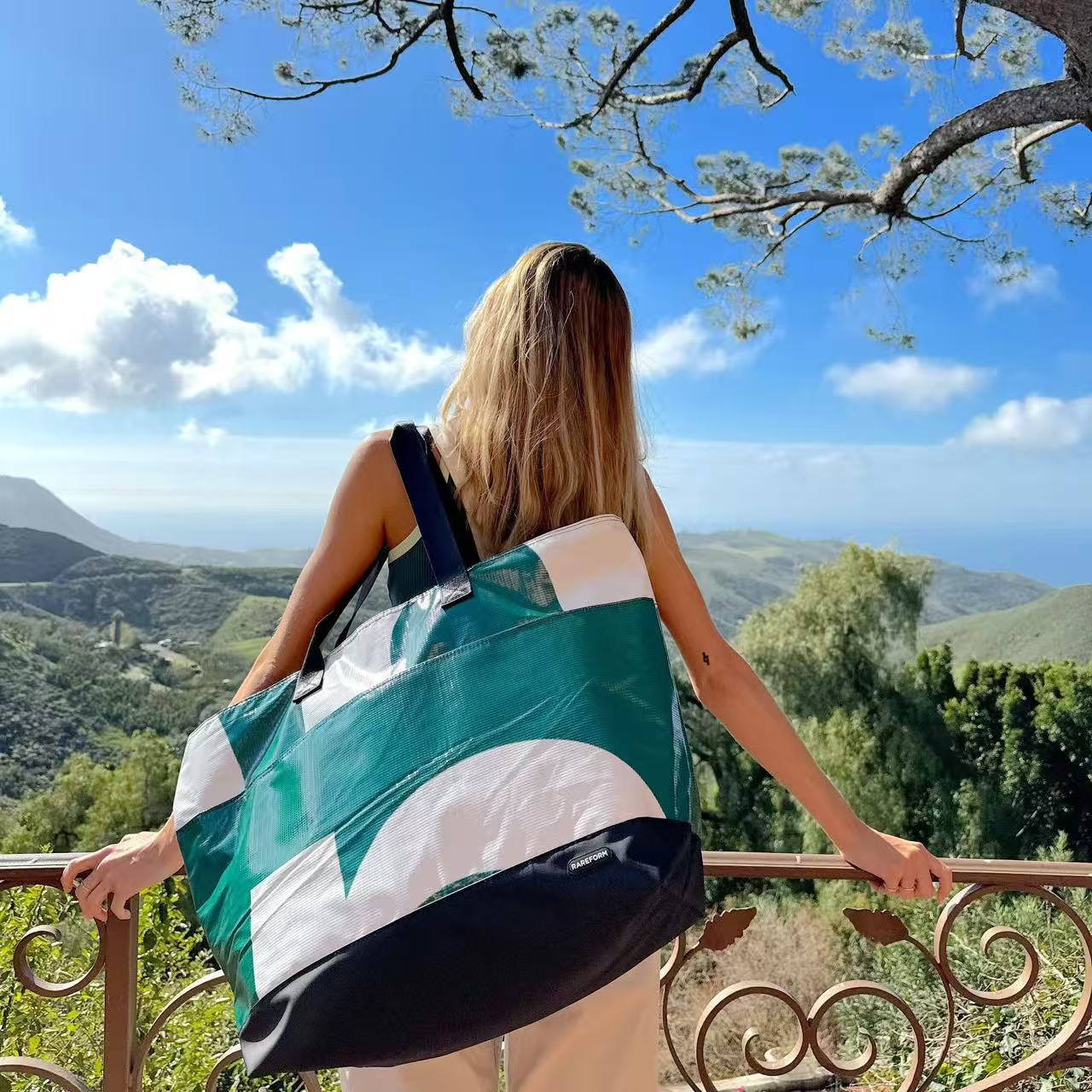
Discarded banners and old advertising vinyl — things most people call waste — become bags in their hands. And genuinely become: not old cloth dressed up in a new story, but each piece of material allowed to keep the way it originally looked.
![Patched together — every panel from a different retired banner]()
The colours are patched, the graphics are original, the texture is the original weave. Which means — no two bags are alike.
![The artwork came from the original banner, re-cut and re-composed]()
![The black and white was already in the old print — nothing added on top]()
![Two simple colour blocks, letting the material do the talking]()
![A light crossbody, also made from reclaimed material]()
The point isn't how much fabric was saved. The point is that it turns sustainability from a slogan into something you carry on your shoulder — and somebody sees it every single day.
5. The Earth Is Our Home — It Takes All of Us
Stay in this trade long enough and the word "material" starts to sting a little.
Throwing a piece of cloth away isn't one motion — it's a whole waste: the water, the electricity, the oil that went into making it, and all the life it still had left to serve.
What RAREFORM does is give that life back.
The earth is our home. Protecting it takes all of us.
It sounds like a big statement, but it lands very small — small enough to be a bag made from a retired banner. Small enough to be one less piece of cloth in the bin. Small enough to pause at a workbench and ask: is this really the end of this piece?
May every one of us do our part.
Thank you, RAREFORM. And thank you to the two brothers who stayed in the workshop with us until the job was done.